
If you’re still waiting for Blender to officially become “industry standard,” what exactly are you waiting for? A message in the sky that says “Congrats! Blender is now industry standard” in bright orange and blue?
Because if you actually look at the real industry—like ArtStation, where professional artists from AAA studios post their work—Blender is already everywhere. These aren’t hobbyists. These are the same people making the games you play, the VFX in your favorite movies, the cinematic trailers that go viral.
So let’s take a look at some of these pros who use Blender. And then you tell me—would their work magically look better if they used Maya or 3ds Max? Because from where I’m standing, they already made the smartest choice. Blender isn’t waiting to be respected.
It already is.
https://www.artstation.com/artwork/QXZKwZ

Let’s start with Piotr Krynski. Just look at this environment—rendered in Cycles, packed with hundreds of objects, millions of polygons, and gigabytes of textures… and Blender handles it like a champ. No crashes, no sluggish performance—just real-time viewport feedback, live compositing, everything smooth and responsive.
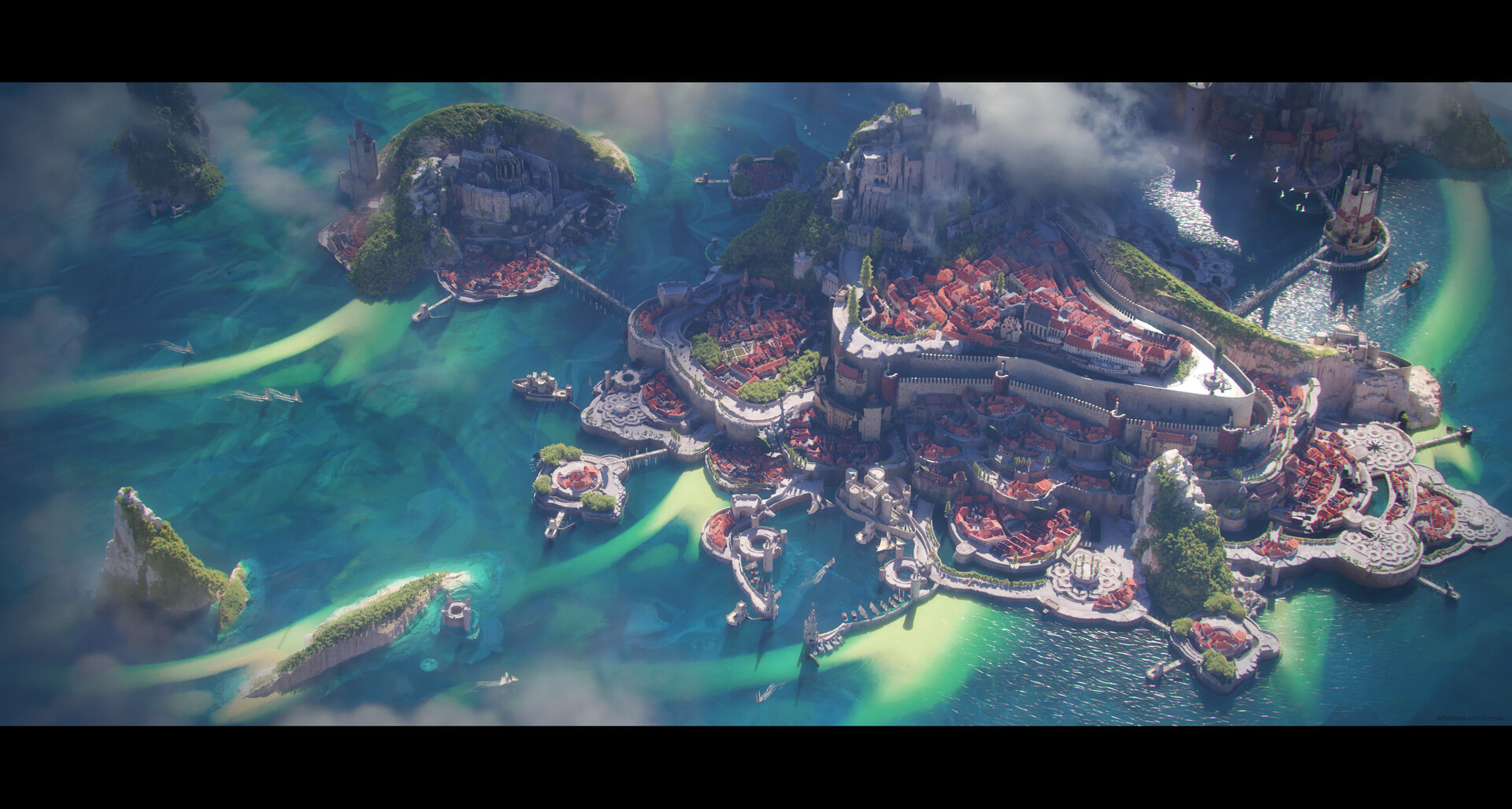
And remember—this wasn’t done in Blender 4.0 or 3.6. This was Blender 2.8 era technology. Piotr didn’t just make this scene—he turned it into a full tutorial on Gumroad, teaching others exactly how to build environments at this level.
If his name sounds familiar, it’s because he’s one of the artists responsible for Blender’s official splash screens—including the breathtaking one used in Blender 3.5. For that render, he kitbashed a 3D scan of a building, duplicated and modified it, stacking variations to create a cinematic environment with insane depth and realism.
And this is what a lot of people miss about Blender:
If you have the right assets and a creative eye, you can create world-class art that stands out—even in a crowded industry. The software isn’t the bottleneck. The limit isn’t Blender.
It’s imagination.
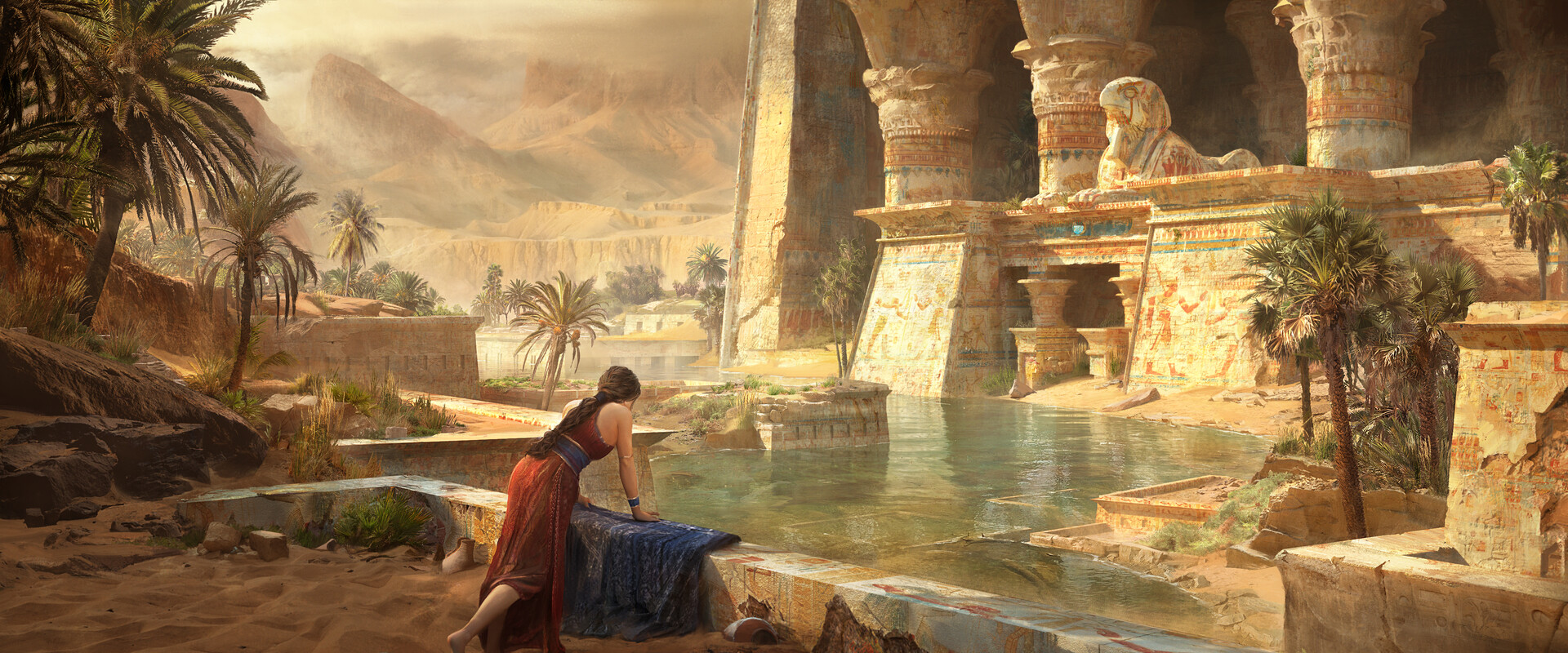
Next up is Constantin Marin, a professional illustrator based in Germany with a client list that reads like the credits of your favorite games and movies—Hasbro, Guerilla Games, Sony, EA, DC, Marvel… the list goes on. He has contributed to franchises like God of War, Horizon, and multiple AAA productions.
Now, here’s the important part:
Artists like him don’t always appear when you simply search “Blender artists,” so most people never realize how many high-level professionals are actually using it quietly behind the scenes. But that's exactly why we're doing this—so you do know.
What I love about his work is that there is no visual fingerprint of the software used. There’s no “oh, that looks like a Blender render” or “that must be Cinema 4D.” His results are pure artistry. If you covered the software tag, you wouldn’t be able to tell whether it was made in Blender, Maya, Houdini, or anything else.
That’s what real industry standard looks like—not the software itself, but the quality that artists can achieve with it.
https://www.artstation.com/artwork/qQBJxD
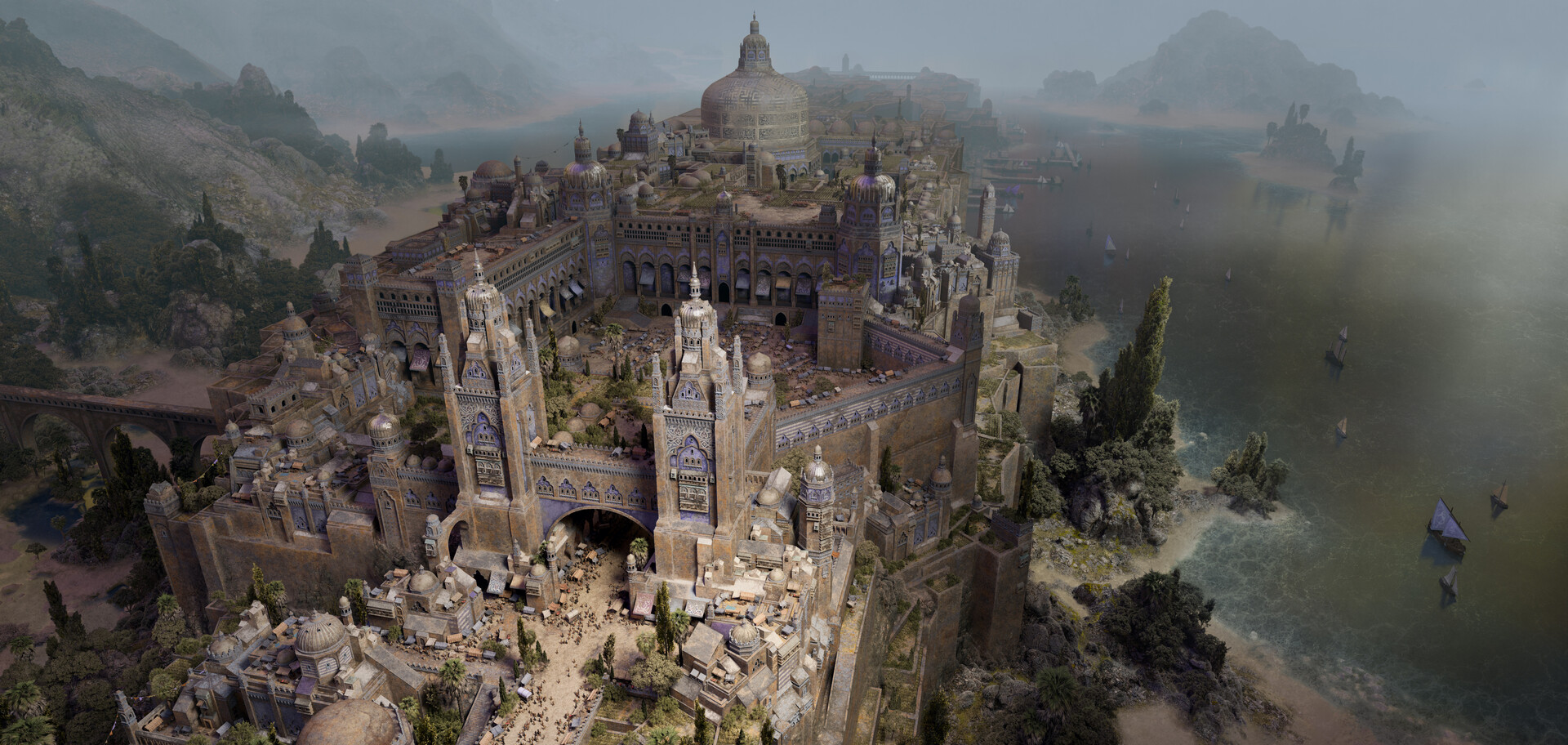
When I first saw this render by Max Bedulenko, I honestly thought it was a photograph of a physical miniature—like something straight off the set of Lord of the Rings. The dusty surfaces, the clay-like texture, the subtle imperfections… everything about it screams handcrafted realism.
And that’s the thing about Blender that people rarely argue with:
When it comes to modeling and material creation, Blender is unstoppable. It can match any style—stylized, hyper-realistic, medieval, futuristic, clean, damaged—you name it. Its lighting system, especially with Cycles, delivers results on par with any render engine in the film or gaming industry.
Sometimes I genuinely struggle to understand what people think Blender is “missing,” because when you look at artwork like this… it’s clear the only real limit is the artist, not the software.
https://www.artstation.com/artwork/oJVROm
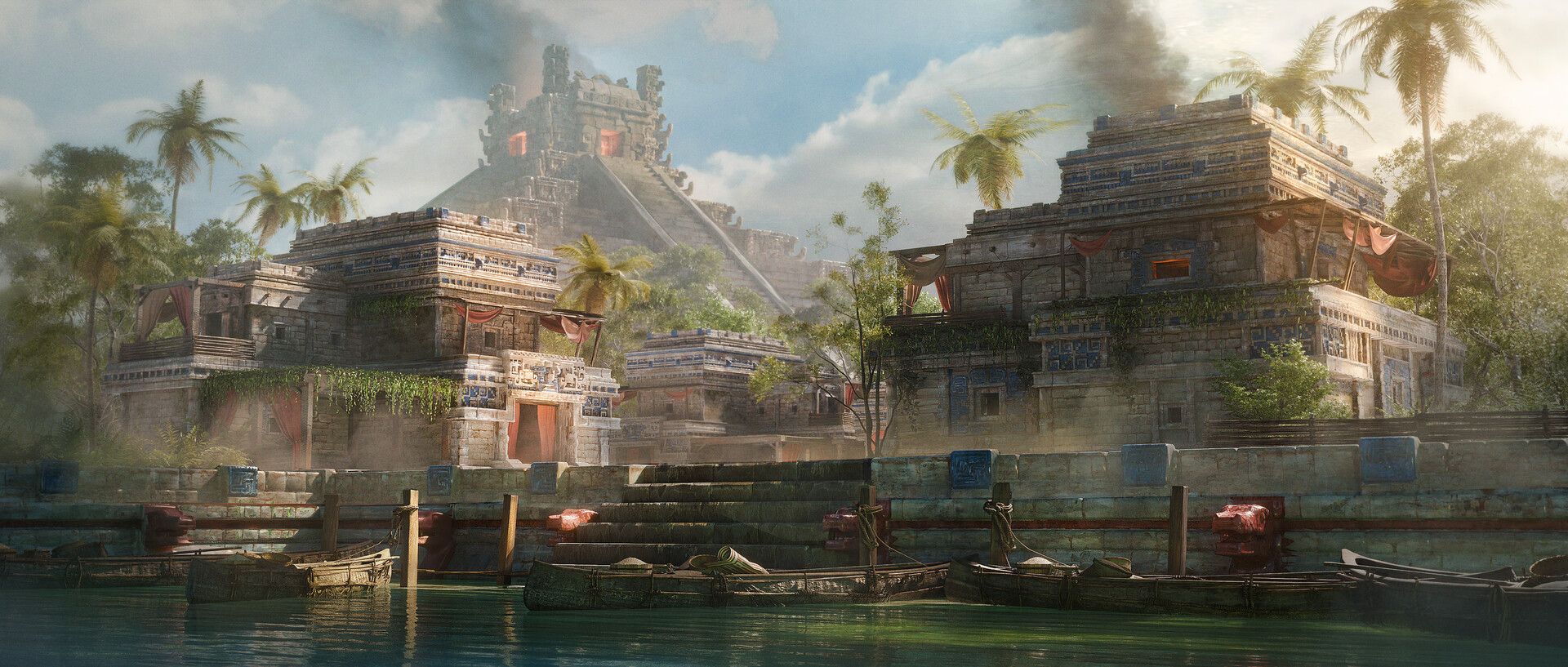
And where Blender really gets the upper hand is the number of artists contributing to it. Forget about the core development and addons for a second—I’m talking strictly assets. If we look at Oleg Kudryavtsev’s render here, you can clearly see hundreds of assets at play—trees, textures, scans, buildings, debris—all perfectly placed. While he probably created a lot of it himself, that’s just way too much work for one person, especially if you’re doing this as a hobby or if the client budget doesn’t justify that kind of effort.
But this is exactly where Blender dominates: there are hundreds of artists creating assets specifically for Blender, and just from this one render I can already think of multiple options. For vegetation and trees you have Botaniq and Arborea, and for the buildings and greeble details, Greeble Town’s Empire of the Sands kitbash pack is a perfect starting point. In Blender’s ecosystem, you’re never starting from zero—you’re building on what an entire community has already made.
https://www.artstation.com/artwork/a0559k

And to close out this video, let’s circle back to Piotr Krynski—yes, the same artist who made the Blender splash screen—to see how he uses Megascans assets to build incredibly detailed worlds. This is where the line between hobbyist and professional becomes clear. If you can take asset packs like these and arrange them into unique, believable environments, you’ve entered the realm of true professionals.
Most of the assets in this scene are publicly available on Megascans, but the way he uses them—you would never guess they came from the same pack. It’s not about having exclusive tools; it’s about how creatively you use what everyone else has access to. That’s the real skill.