
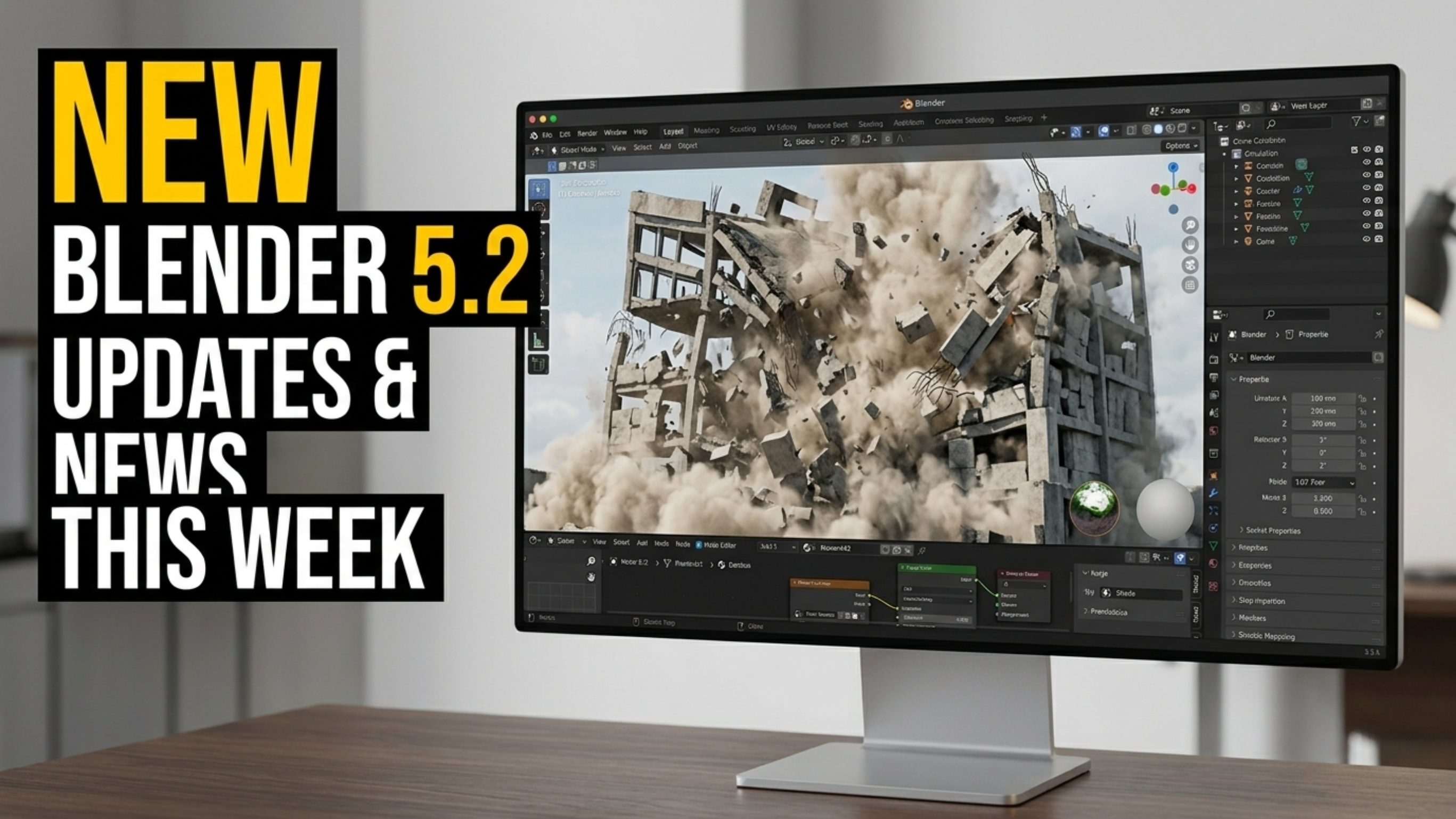
Blender vs Hollywood: Can It Handle a Full Movie Production?
If you’ve ever wanted to make a movie but assumed you’d need a million-dollar budget, a building full of artists, and software licenses that cost more than your car—surprise! That dream might be more within reach than you think. Blender, the free and open-source 3D software, is flipping the script on what’s possible, especially for solo creators and indie teams.
But here’s the real question: Can Blender actually go toe-to-toe with the tools used in Hollywood’s biggest blockbusters?
Let’s unpack this.
What Does a Hollywood Production Pipeline Look Like?


To understand what Blender is up against, let’s look at a typical Hollywood 3D pipeline. These productions are divided into stages—pre-production, modeling, texturing, rigging, animation, VFX, lighting, rendering, compositing, editing, sound design… and each stage often uses its own specialized software.
For example:
- Maya or 3ds Max for modeling and animation.
- ZBrush for sculpting.
- Substance Painter for texturing.
- Houdini for simulations and VFX.
- Nuke for compositing.
- Premiere Pro or DaVinci Resolve for editing.
- RenderMan, Redshift, or Arnold for rendering.
Each of these is a masterclass in its own niche, but they come with steep price tags, licensing restrictions, and compatibility headaches. Studios spend thousands every month maintaining their software ecosystem—and then add the cost of massive render farms on top of that.
Enter Blender: The Indie Powerhouse
Blender, on the other hand, does it all in one package:
- Modeling and sculpting? Check.
- Texturing, shading, and materials? Yup.
- Rigging and animation? Built-in.
- Physics and simulations? Includes smoke, fire, fluids, soft bodies, cloth, particles.
- Rendering with Cycles (physically-based) and Eevee (real-time).
- Compositing with nodes—no need to export to Nuke.
- Even video editing, so you can cut your whole short film inside Blender.
That’s not just convenient—it’s liberating. You’re not bouncing files between software, worrying about formats or licenses, or waiting to hit some arbitrary paywall. It’s just you, your idea, and the tools to make it real.

People Already Doing It
Blender isn’t some experimental toy. It’s already being used in serious productions—both indie and professional.
Let’s talk about Next Gen, the animated movie on Netflix. That movie wasn’t made with Maya or Houdini. It was made largely in Blender by Tangent Animation. That’s a full-length, big-budget film, using Blender as the backbone.
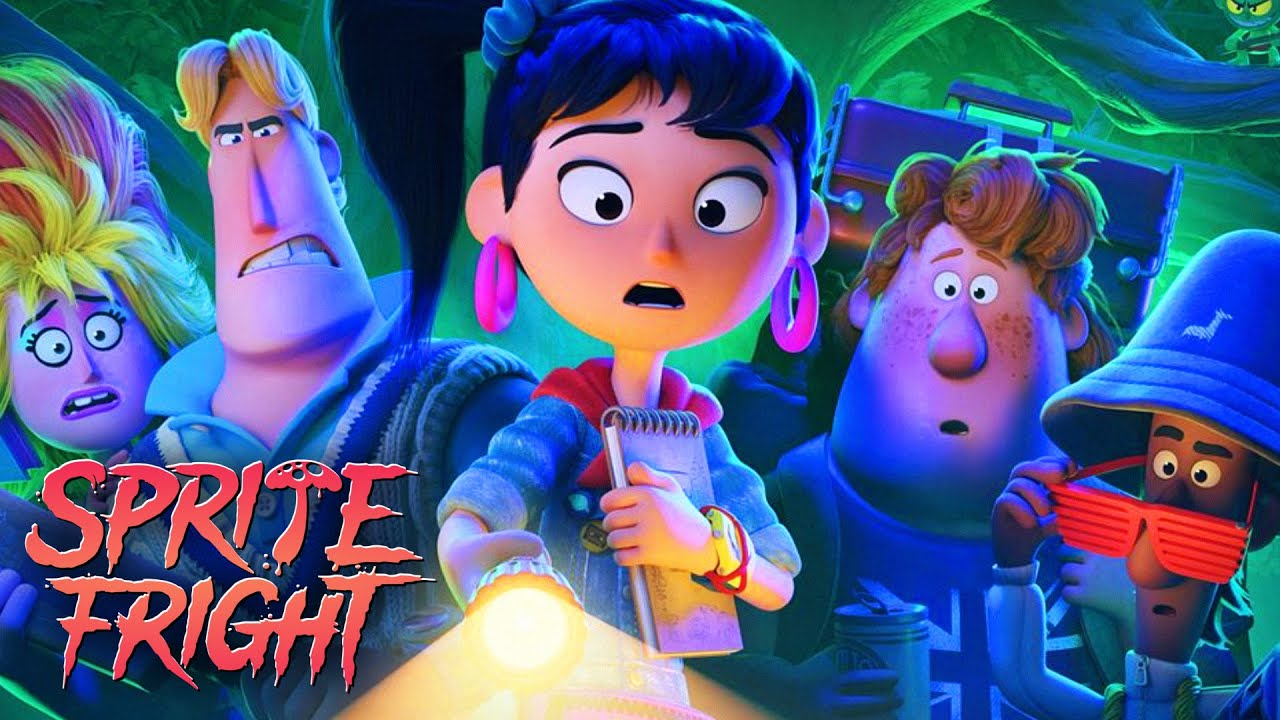
Or look at the Sprite Fright short from Blender Studio. Not only was it made entirely in Blender, but they also documented the whole production process—from character design to final render—so others could learn from it. Coffee Run, Charge, Hero, Cosmos Laundromat—the list of Blender-made films is getting longer and more impressive every year.
Even Hollywood has started taking notice. Blender was used for motion graphics and set design in Westworld. It helped with previs and design in The Man in the High Castle. DreamWorks even uses it internally in a few departments.
Addons: Blender’s Secret Weapon
Blender’s core is strong, but its real strength lies in how customizable it is.
The Gaps—and Why They Don’t Matter (As Much)
To be fair, Blender isn’t flawless.
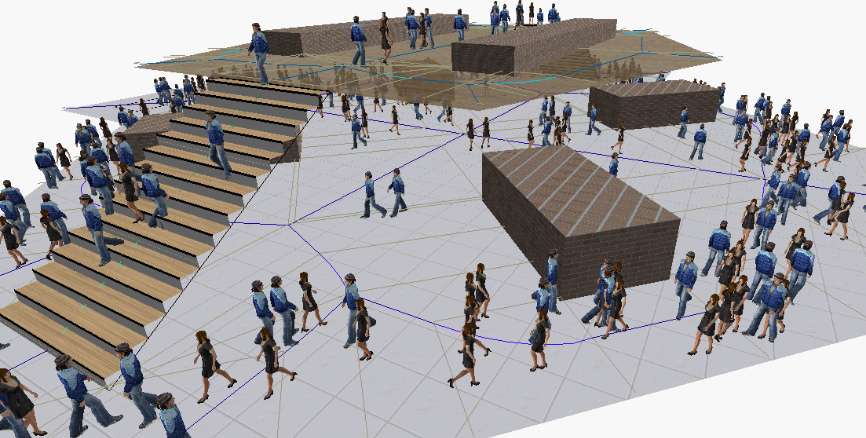
- Crowd sims are rudimentary compared to Golaem or Massive.
- Advanced compositing is possible, but not as robust as Nuke’s deep pass system.
- Render pipeline management in huge teams can get tricky—though projects like Flamenco and USD support are improving that fast.
But for 90% of productions that aren’t Marvel movies, these limitations are totally manageable. Especially when you consider the cost: Blender is free. Not free-trial—free forever.
And let’s be honest: the software doesn’t make the movie. The artist does. A mediocre artist with expensive software will still produce mediocre work. But a skilled artist with Blender? They can pull off magic.
Could Blender Make the Next Pixar Movie?
Here’s the million-dollar question.
Technically? Yes.
Practically? It depends.
Blender has all the components. If Pixar were to swap Maya, Houdini, and Nuke for Blender tomorrow, they’d have to rework their entire pipeline—but they could still make something amazing.
But where Blender really shines is in leveling the playing field. It’s not just about replacing Maya—it’s about making professional 3D production accessible to everyone, everywhere.
An artist in Uganda. A student in Brazil. A hobbyist in Ukraine. A filmmaker in India. Blender gives them all the same toolkit that a $10M studio might use.
And that’s not just revolutionary—it’s empowering.
Final Thoughts
Blender isn’t trying to mimic Hollywood. It’s carving its own path—and people are noticing. It’s fast, powerful, and free. And more importantly, it’s enough. More than enough.
You don’t need Maya to make a great character. You don’t need Houdini to make cool explosions. And you don’t need Nuke to put it all together.
All you really need is Blender… and the will to create something awesome.
So yeah—Blender can absolutely handle a full movie production.
And one day soon, it might even be the default tool to do so.